
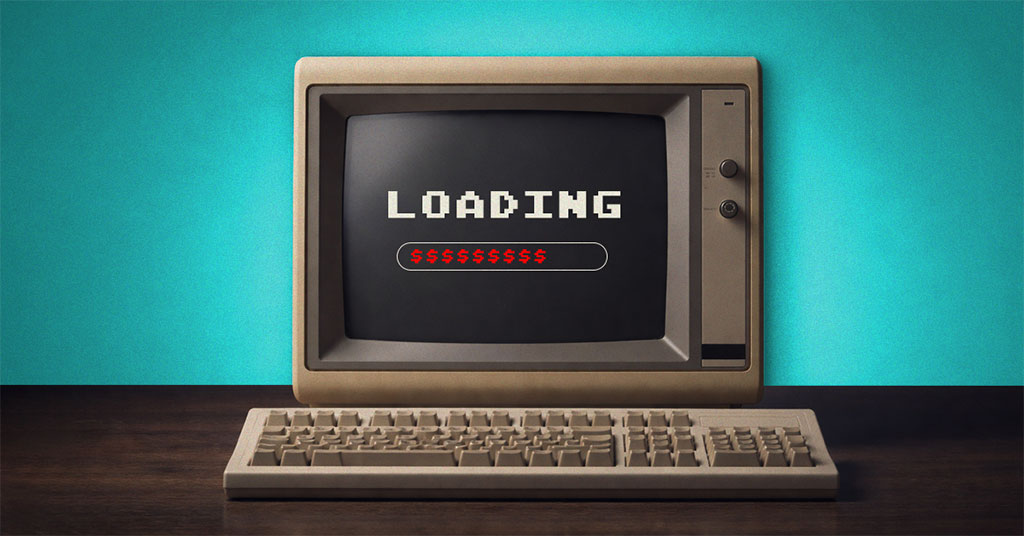
Most people treat outdated technology like a favorite sock with a hole in it. Clearly worn out, but still usable enough to keep around.
You notice it in small moments throughout the day. A computer takes forever to boot. An email stalls while sending. A file freezes during a save.
It is frustrating, but not dramatic enough to stop everything.
That is exactly why outdated technology costs quietly pile up month after month without most businesses realizing how much they are actually losing.
The Hidden Costs Start Small
Holding onto older systems often feels practical.
If something still technically works, replacing it can feel unnecessary. But aging systems rarely stay neutral. Over time, they begin creating ongoing outdated technology costs in several different ways.
Performance slows down. Systems take longer to respond. Employees lose small chunks of time waiting on devices that no longer keep up with modern workloads.
Those delays rarely feel major in isolation. Together, they quietly drain productivity every single day.
Energy Costs Add Up Faster Than You Think
Older equipment usually works harder just to keep pace with current demands.
That means more power consumption, more heat generation, and more strain on surrounding systems, especially during summer months.
Newer hardware is significantly more efficient. It performs better while consuming less power and generating less heat. Businesses often underestimate how much outdated technology costs contribute to rising utility expenses over time.
Efficient infrastructure supported by proactive Managed IT Services helps businesses reduce both operational strain and unnecessary expenses.
Small Interruptions Become Normalized
One of the biggest problems with aging systems is how quickly interruptions become part of the routine.
Employees restart devices without thinking. Systems disconnect randomly. Applications freeze often enough that people simply expect it.
Those interruptions create constant workflow disruption. Every restart breaks focus. Every delay slows momentum.
Eventually, teams stop noticing how much time disappears because the inefficiency becomes normalized. That is where outdated technology costs become operational issues instead of isolated technical annoyances.
Slow Systems Affect More Than Productivity
When systems consistently lag or fail unexpectedly, employees adapt by building workarounds.
Tasks take longer. Frustration increases. Focus gets interrupted repeatedly throughout the day.
Reliable infrastructure and strong Network Security reduce the chances that outdated systems create larger operational or security risks as they age.
Because older systems are not just slower. They are often more vulnerable as well.
What Changes When Technology Actually Supports the Workday
Once outdated systems are replaced or upgraded appropriately, the difference is usually immediate.
Systems start when they should.
Applications respond quickly.
Temporary fixes stop being part of the routine.
The workday becomes smoother because employees spend less time waiting and troubleshooting.
This is where businesses begin recovering the hidden outdated technology costs they have been absorbing for years without fully realizing it.
Many organizations also stay ahead of aging infrastructure risks through resources like the Cybersecurity Tip of the Week signup, which helps businesses identify issues before they escalate.
Is It Time for a Change?
If your systems are slow, unreliable, or constantly requiring workarounds, you are already paying the price.
The question is not whether aging systems cost money.
The question is how much longer you want to absorb those ongoing outdated technology costs through lost time, higher energy usage, and constant interruptions.
Replacing or upgrading systems does not need to happen all at once. The key is having a clear plan based on what is actually helping or hurting your business.
If you want help identifying which systems are costing your team the most time and frustration, you can Schedule a short review or book a Discovery Call to evaluate where upgrades would have the biggest impact.
Because technology should move your business forward, not quietly drain resources every single day.

